
There are hundreds of kids' backpacks out there and most of them look adorable in photos. But once your 3-year-old has to carry it every single day, the things that actually matter become very clear, very fast.
Your child is starting preschool - one of those milestones that feels both exciting and completely overwhelming. The backpack is usually one of the first things on the list. But walk into any store or open Amazon and you're suddenly staring at 200 options, most of them seemingly identical, all of them claiming to be "the best."
This guide cuts through the noise. We'll tell you exactly what matters for a preschool-age and day-care child (ages 1.5–5), what you can safely ignore, and what to watch out for. No fluff.
Why Preschool Backpacks Are Different
A backpack for a 4-year-old has different requirements than one for a 10-year-old. At this age, kids aren't carrying textbooks - they're carrying a lunch box, a water bottle, a change of clothes, maybe a toy or a drawing they're proud of. The priorities shift accordingly.
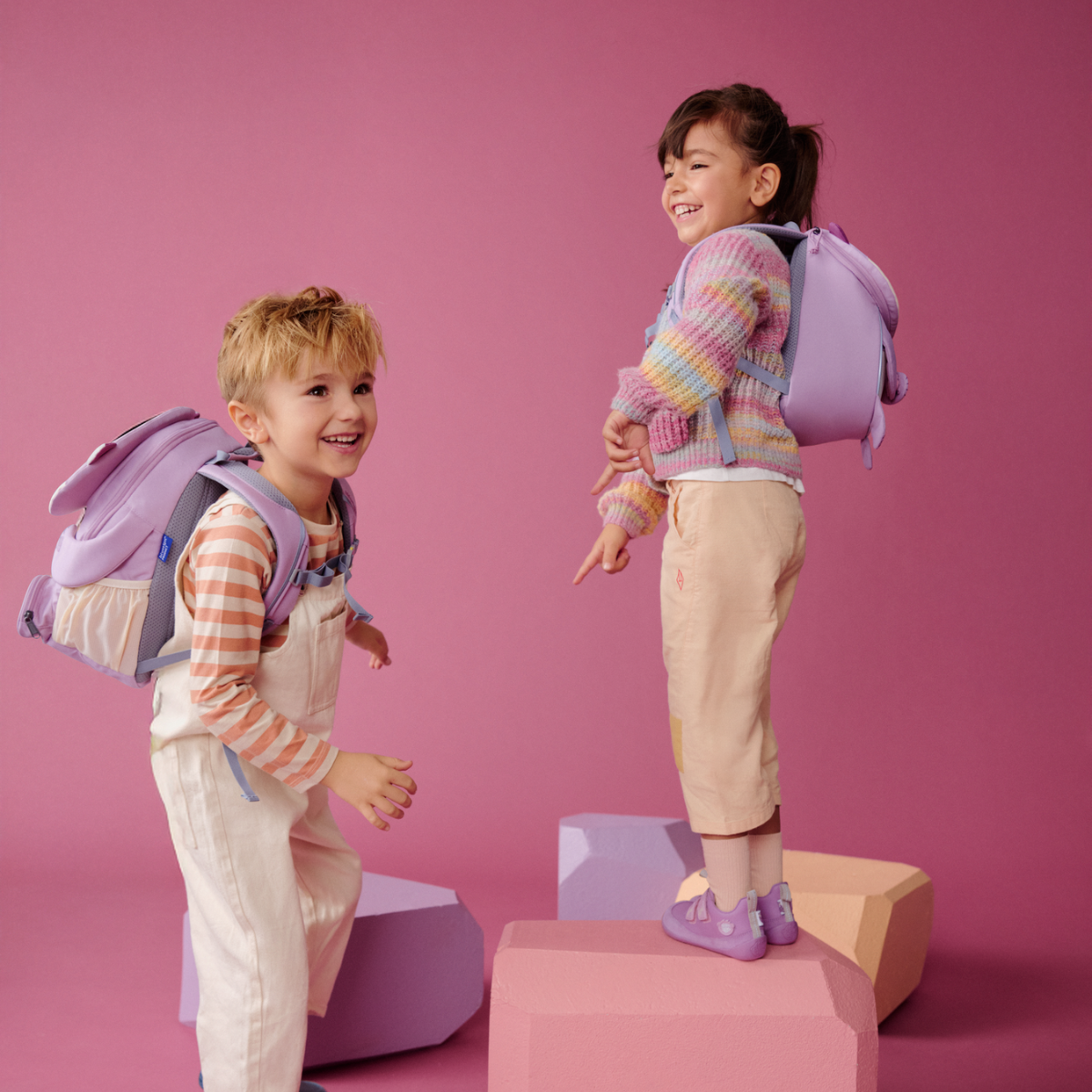
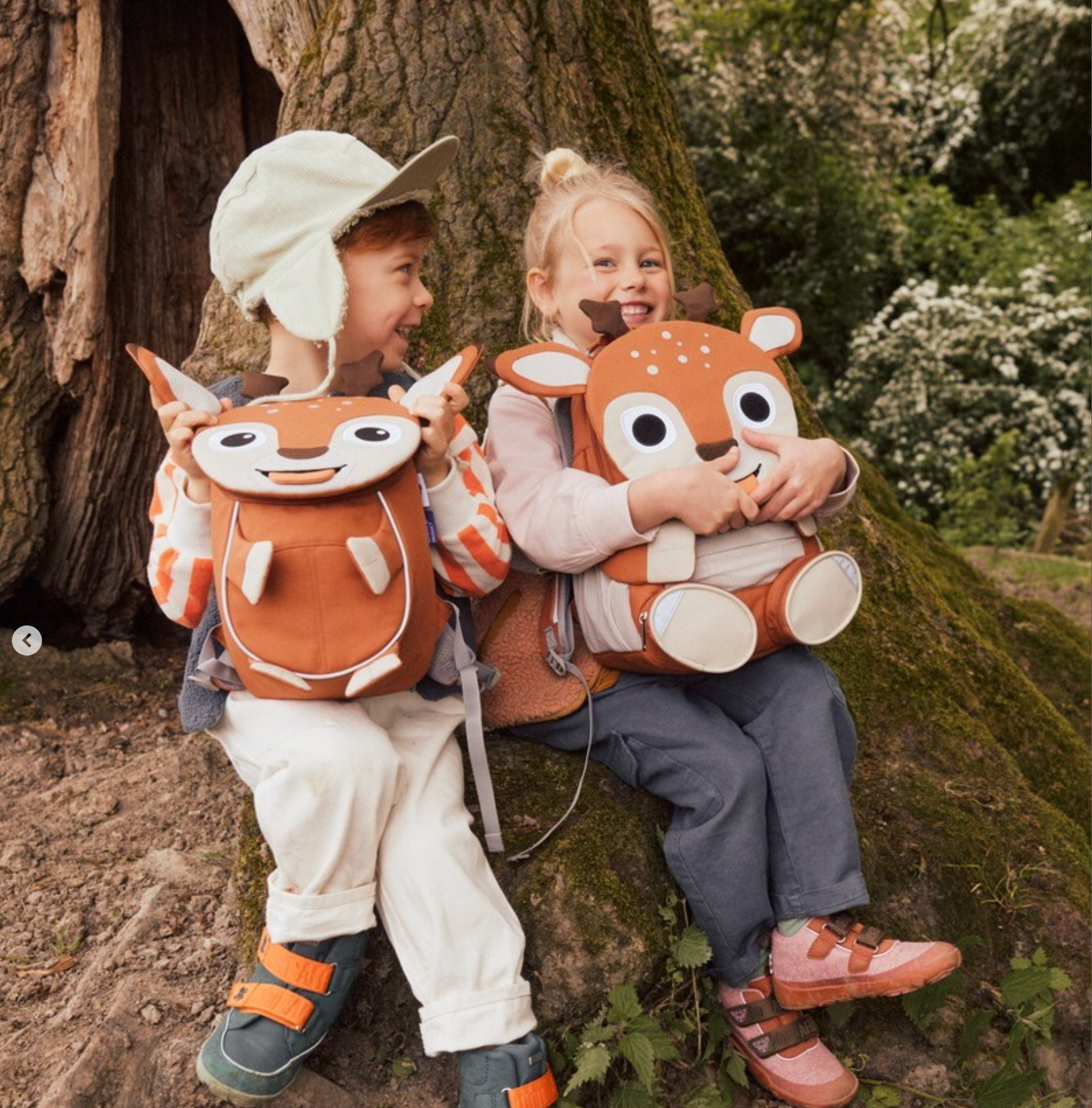
The biggest mistake parents make is buying a bag that's too large. A backpack that hangs below your child's waist or is wider than their shoulders puts unnecessary strain on their developing back and neck - even when it's not fully loaded.
The 6 Things That Actually Matter
1. Size - smaller than you think
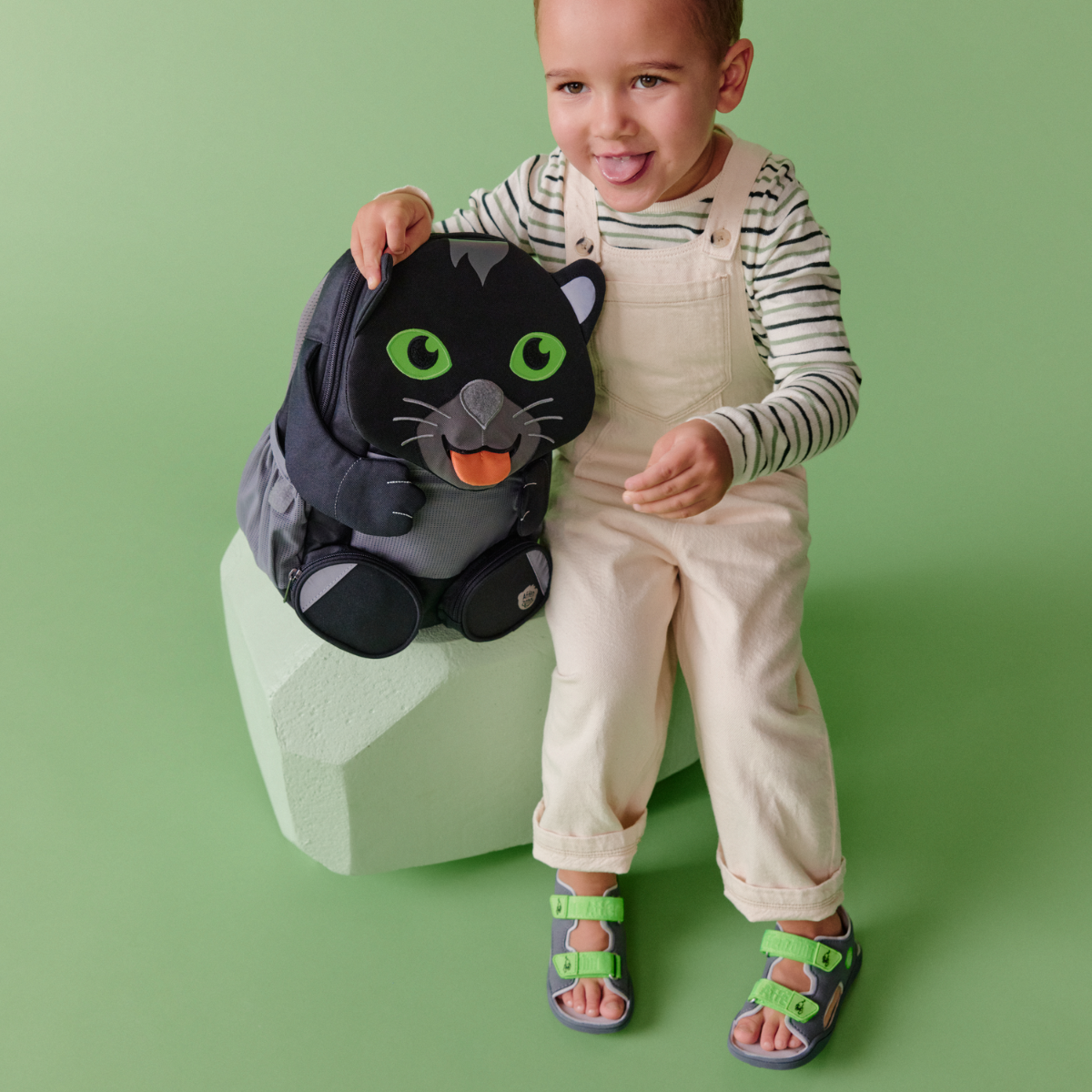
For ages 3–5, look for a backpack that is approximately 10–13 inches tall. It should sit between the child's shoulder blades and waist - not below it. The width shouldn't exceed the child's torso width.
Volume-wise, 4–10 liters is the sweet spot for preschoolers. Enough for daily essentials, not so big it becomes a burden.
2. Weight - lighter is always better
An empty backpack should weigh under 1.1 LB (500g). Every ounce the bag itself weighs is an ounce your child can't use for their actual stuff. Look for lightweight materials like recycled polyester - avoid heavy canvas or leather-look materials for this age group.
3. Shoulder straps - padded and adjustable
This is non-negotiable. Padded shoulder straps distribute weight across the shoulders rather than digging in. They should be width-adjustable so the bag sits snugly against your child's back, not swinging loose.
A chest strap (sternum strap) is a major plus - it keeps the straps from sliding off small, sloped shoulders and helps keep the weight centered.
4. Zippers - easy for small hands
Preschoolers need to open and close their own backpacks. Look for large zipper pulls that little fingers can actually grip. Avoid tiny decorative pulls or complex magnetic closures — frustrating for kids, frustrating for teachers at cubby time.
5. Water bottle pocket
Almost every preschool requires kids to bring their own water bottle. A dedicated side pocket - ideally on both sides (Large friend backpack) - keeps the bottle accessible without opening the main compartment.
6. Easy to clean
Preschoolers are messy. Paint, yogurt, dirt, mystery substances - they all find their way onto backpacks. Look for water-repellent, wipe-clean materials. Avoid fabric that stains easily or requires dry cleaning. The ability to spot-clean with warm water and a cloth will save you a lot of headaches.
What You Can Safely Ignore
Marketing language can make it hard to separate what's useful from what's just a selling point. Here's what genuinely doesn't matter much at preschool age:
- Laptop sleeve - your 4-year-old doesn't need one
- Lots of pockets - more pockets = more places to lose things. One main compartment and one front pocket is plenty
- Back panel ventilation - nice for hiking packs, unnecessary for a 10-minute commute to preschool
- Wheeled backpacks - impractical for small children navigating stairs, cubbies, and playgrounds
The Design Question: Does It Matter?
Short answer: yes, more than most parents expect.
At preschool age, children develop strong attachments to their belongings.
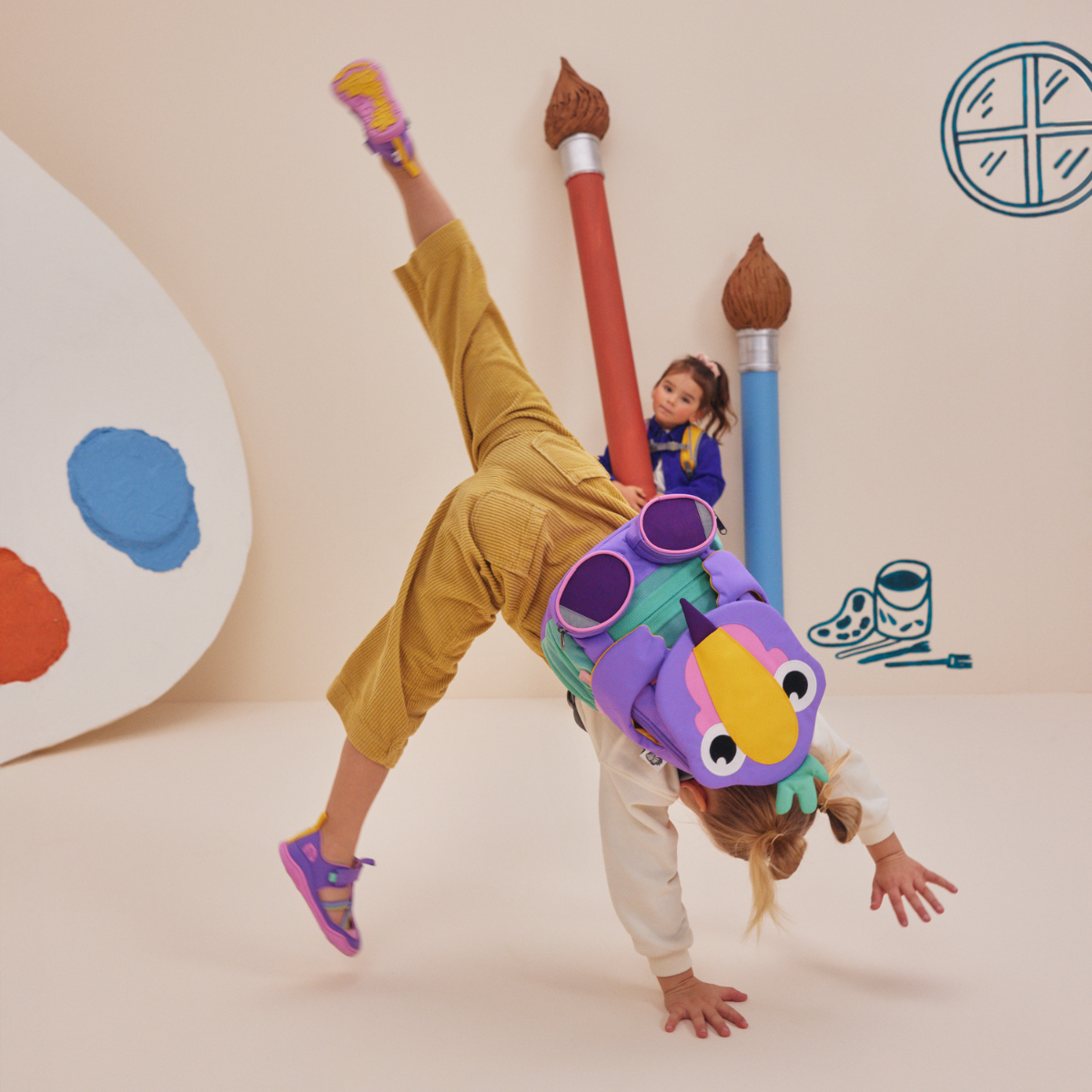
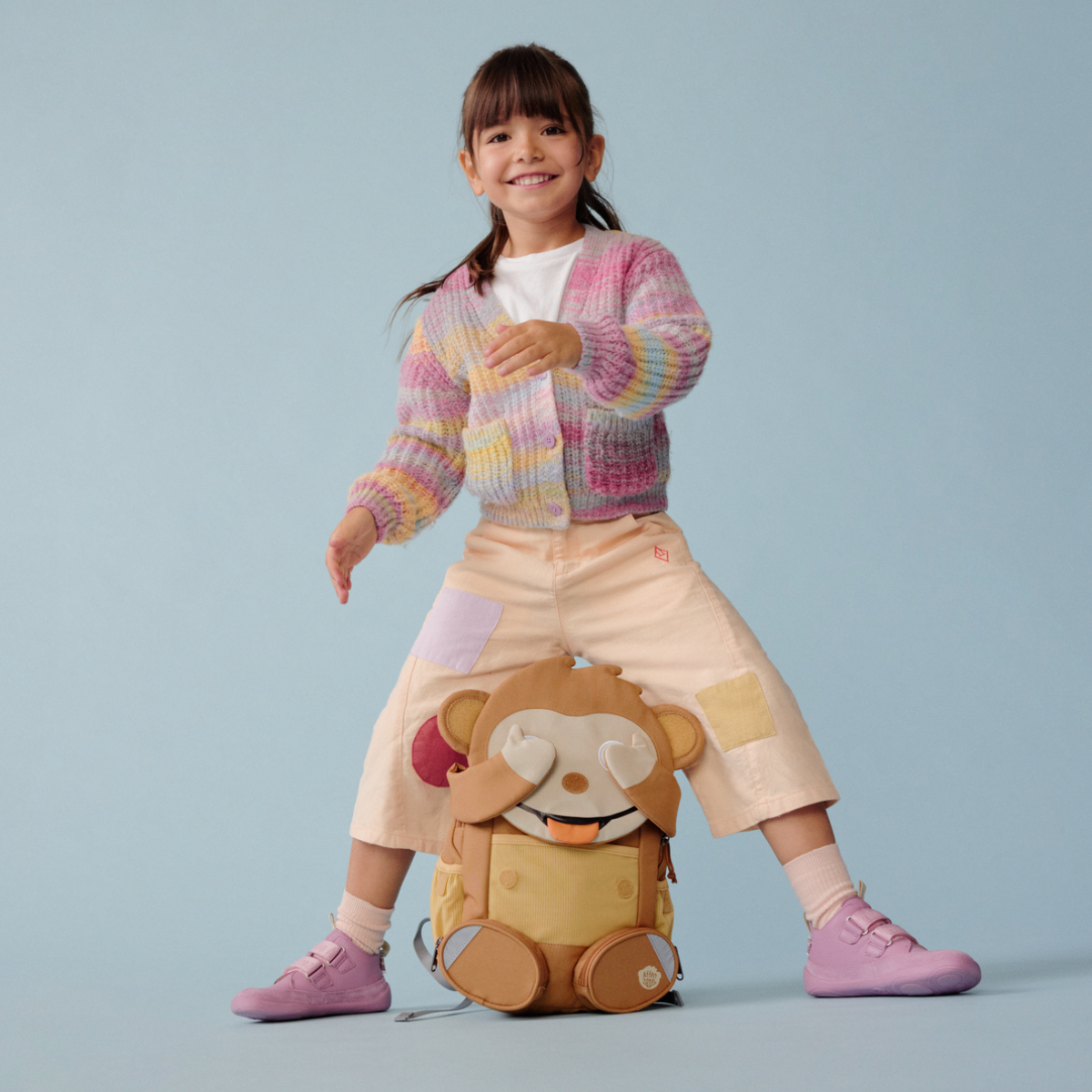
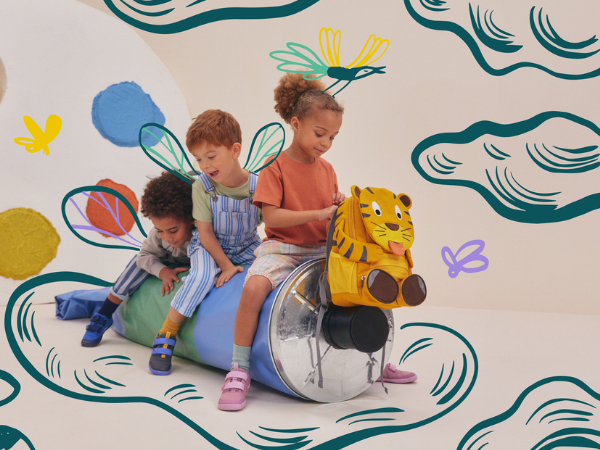
A backpack they're genuinely excited about - one that feels like "theirs" - does something practical: it builds independence. Kids who love their backpack are more likely to pack it themselves, carry it without complaining, and take care of it.
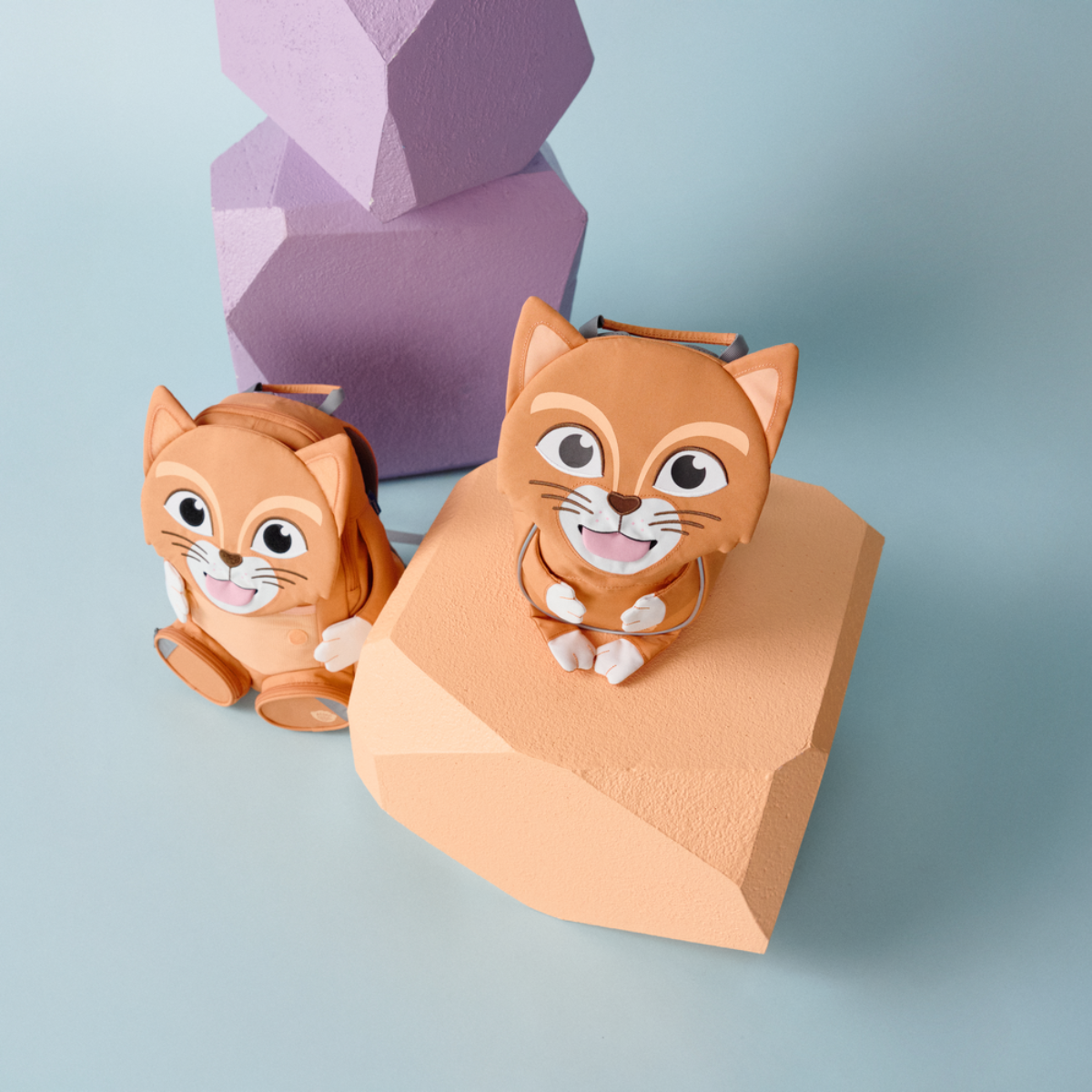
Animal designs in particular resonate deeply with children in the 2–5 age range. They name their backpacks, introduce them to friends, and treat them like companions. That's not a marketing gimmick - it's child development. Objects that children anthropomorphize tend to be treated with more care and become sources of comfort during transitions like the first day of school.
Small Friend vs. Large Friend: Which Size Is Right?
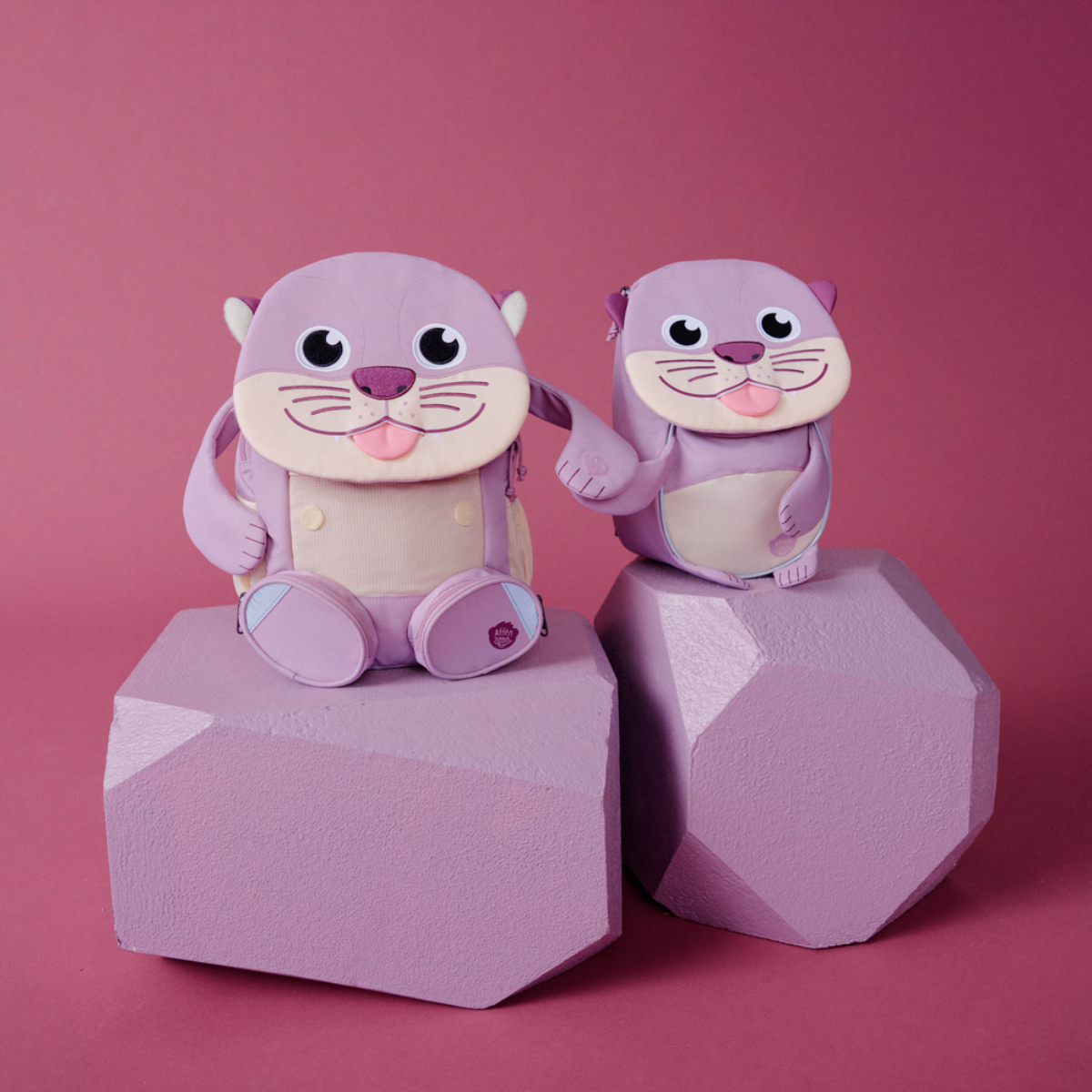
If you're looking at Affenzahn backpacks, you'll notice two main sizes. Here's how to choose:
Ages 1.5 – 3
Small Friend
- 4 liter capacity
- Approx. 10.25" tall
- Weight: ~9 oz
- Perfect for daycare & toddler outings
- Fits snacks, small toy, change of clothes
Ages 3 – 5
Large Friend
- 8 liter capacity
- Approx. 12.25" tall
- Weight: 15 oz
- Perfect for preschool
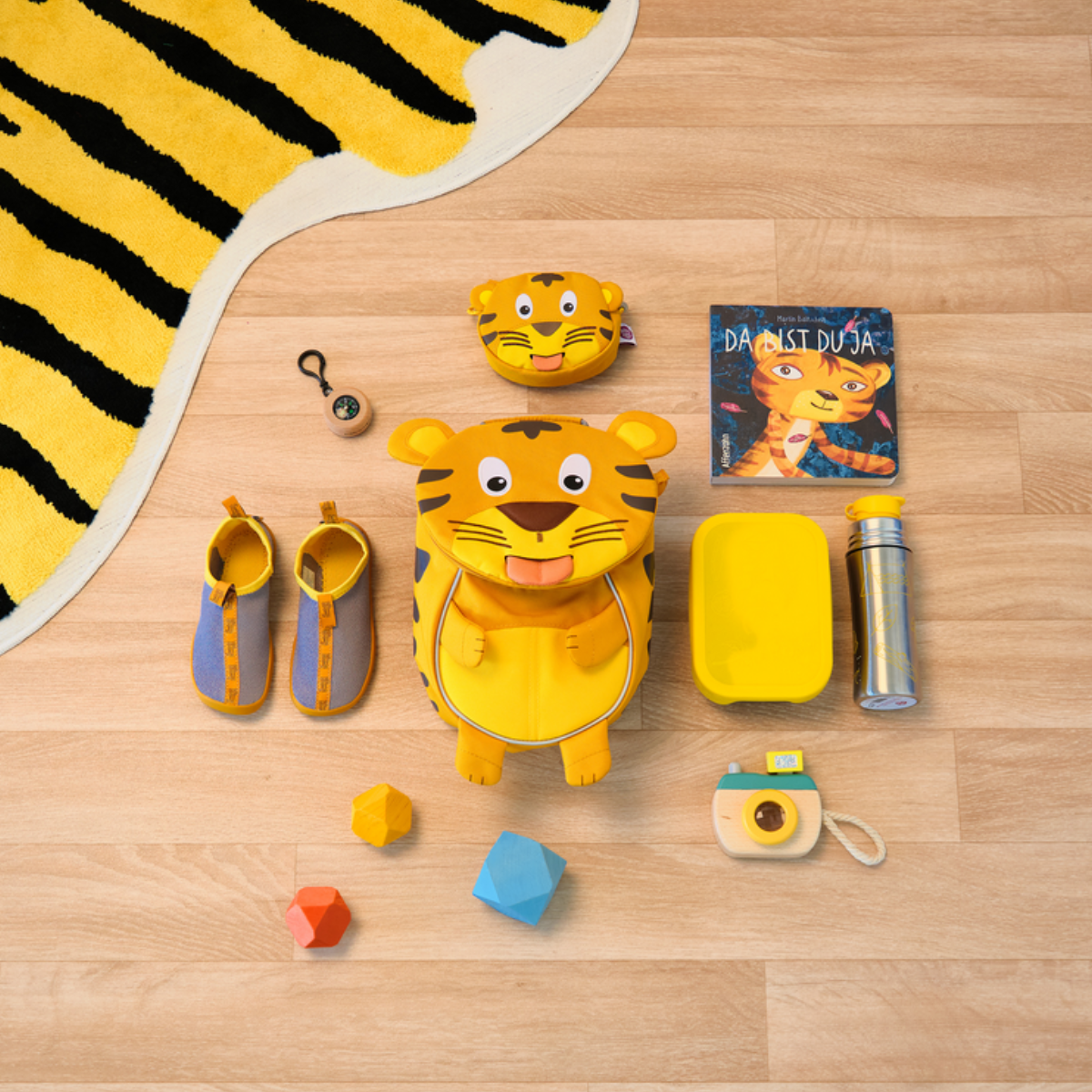
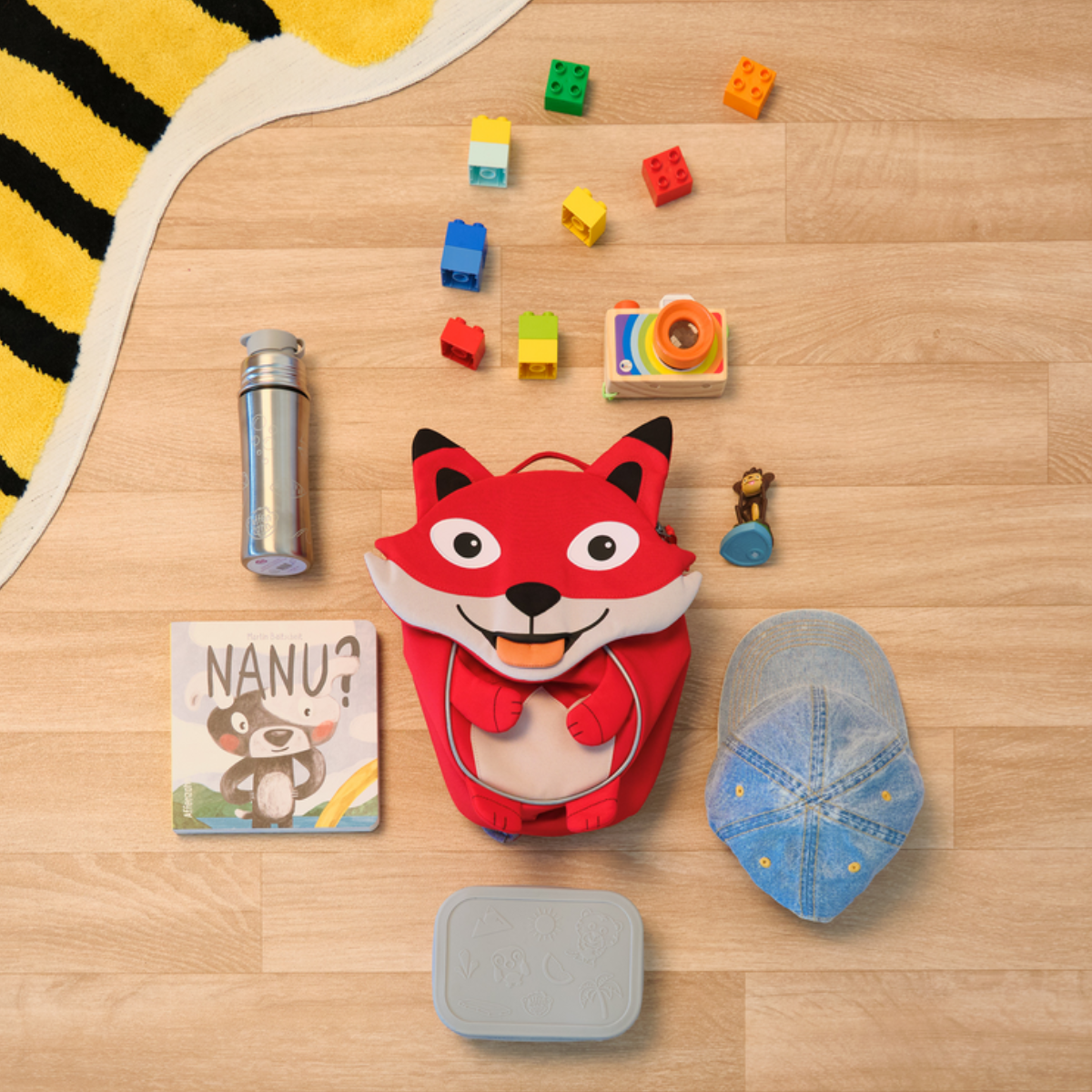
- Fits lunch box, water bottle, extra clothes
Both sizes feature padded, adjustable shoulder straps, a chest strap, reflectors, side water bottle pockets, and the signature pull-out tongue that kids love. Made from 50% recycled PET bottles and certified by bluesign® so no harmful chemicals, ever.